
Why Branding Makes or Breaks Your Rubber Duck Race Fundraiser
When a nonprofit decides to host a rubber duck race, the excitement usually centers on ducks, prizes, and a date on the calendar. What often gets pushed to the bottom of the to do list is something that has a far longer reach than any single event day: the brand.
Branding is not a luxury reserved for corporations with marketing departments. It is the visual and emotional language your community uses to recognize, trust, and remember your organization. In a rubber duck race, where the event itself is already a standout idea, your brand is what separates a one time curiosity from a fundraiser people plan around every single year.
What Branding Actually Means for a Rubber Duck Race
Branding is not just a logo on a flyer. It is the consistent thread that ties every touchpoint together; your website, your social media posts, your event tickets, your sponsorship proposal, your banners and all other collateral.
When every piece looks like it belongs to the same family, something powerful happens. People begin to trust the event. Sponsors see a professional operation worth investing in. Community members who missed last year start asking when ducks go on sale this year. That recognition does not happen by accident. It is the direct result of intentional, consistent branding applied across every surface the public sees.
For nonprofits, that recognition carries an additional weight. Your brand communicates mission credibility. When a potential donor or sponsor lands on your fundraiser page and the imagery, colors, and messaging all feel cohesive and polished, they are far more likely to believe that their money will be handled with the same level of care.
The Danger of Inconsistent Imagery
Inconsistency in visual presentation is one of the fastest ways to erode the professional credibility you are working to build. When your sponsorship proposal uses one color palette, your social media posts use another, and your event tickets look like they came from a completely different organization, the message to your audience is unintentional but unmistakable: nobody is minding the store.
This matters especially in fundraising, where trust is the primary currency. Donors and sponsors are not just buying into an event. They are buying into your organization’s ability to deliver on a promise. Inconsistent branding raises quiet doubts that no one will voice but many will act on by choosing not to participate.
Every piece of visual collateral your nonprofit produces for the rubber duck race should draw from the same foundation: your event logo, your primary and secondary color palette, your approved fonts, and your mission statement. When those elements appear together consistently, your brand begins to compound in value with each passing year.
Using AI Generated Images Without Letting Them Hijack Your Brand
Artificial intelligence image tools have made it possible to produce polished visuals quickly and affordably, and there is absolutely a place for them in a nonprofit’s toolkit. The problem arises when those images become a shortcut that quietly replaces the authenticity your brand depends on.
Here is the practical truth about AI generated images in a rubber duck race context: they are best used as supporting visuals, never as the face of your event.
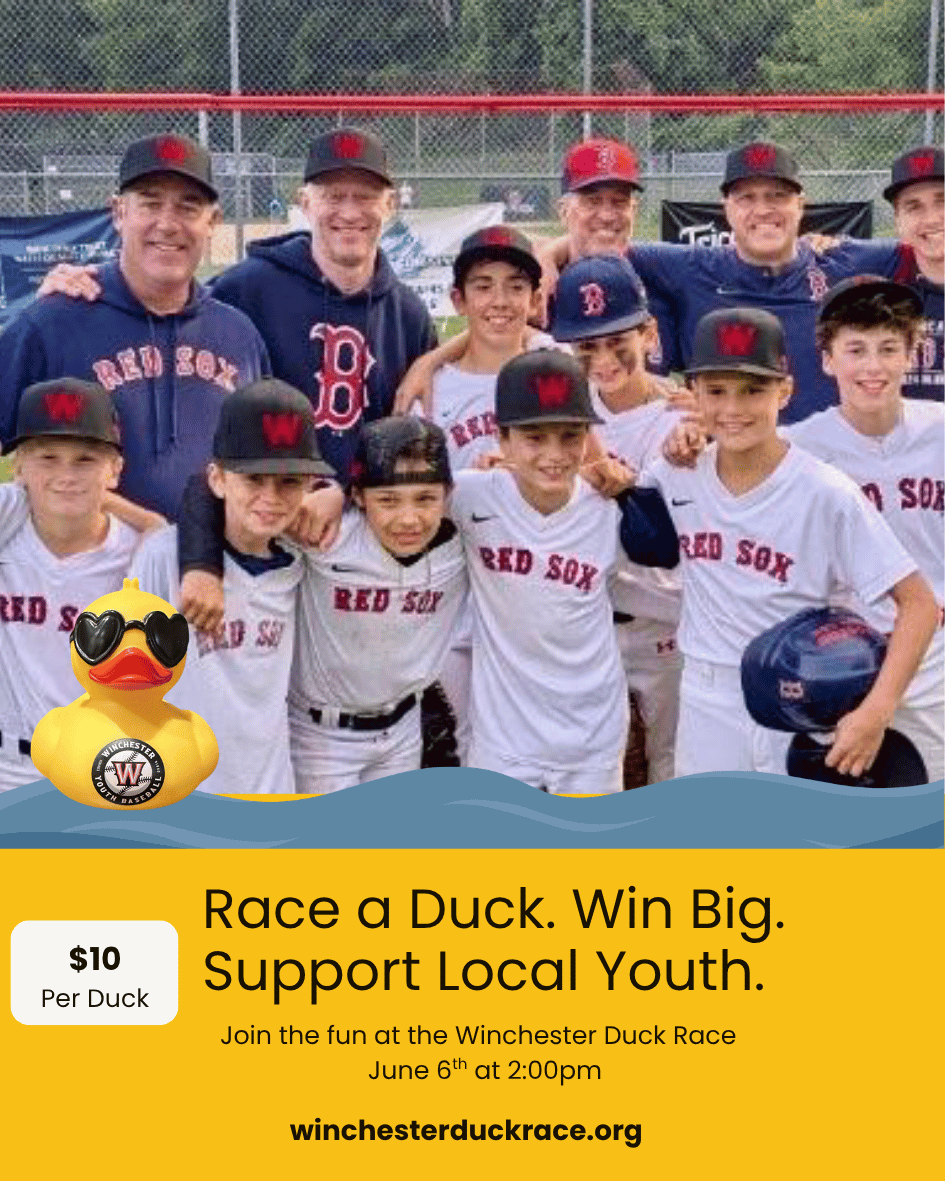
A blog post header featuring a cheerful AI rendered duck in a river? Acceptable. An AI generated crowd scene instead of real people? That is a brand problem. The moment a supporter sees imagery that does not reflect the real experience, the emotional connection they formed with your event begins to thin.
There is also a consistency risk. AI images have a visual signature that trained eyes increasingly recognize. If your event materials mix real photography with AI illustrations with stock images with generative art, the result is a visual identity that feels assembled rather than intentional.
The rule of thumb that serves nonprofit branding well is this: use AI images to supplement when real images are not available, never to substitute when they are. If you have a photo from last year’s event, use it. If you are building materials before your first event ever happens, a well crafted AI image used thoughtfully is a reasonable bridge. Once that first event has passed and you have a library of real moments to draw from, your authentic photos should carry the primary weight of your visual communication.
Branding Builds the Year Two You Are Already Planning For
Here is what gets missed in the first year excitement of any rubber duck race: the brand you build this year is the foundation for every year that follows.
When your first event wraps up and the ducks are collected, the community’s lasting impression is shaped almost entirely by what they saw and felt. If the event looked polished and intentional from the first social media post to the final winner announcement, they will remember it as a professional, trustworthy community event worth supporting again. That impression is worth more than any single sponsorship dollar raised on event day.
The nonprofits that build recognizable, beloved rubber duck races are not the ones that spent the most. They are the ones that stayed consistent, used real photos to tell true stories, kept their visual identity coherent across every channel, and were thoughtful about when AI tools help and when they hurt.
Your brand is your most durable asset. Treat it like one.